
TPE vs Silicone Tubing: Comparison and Applications
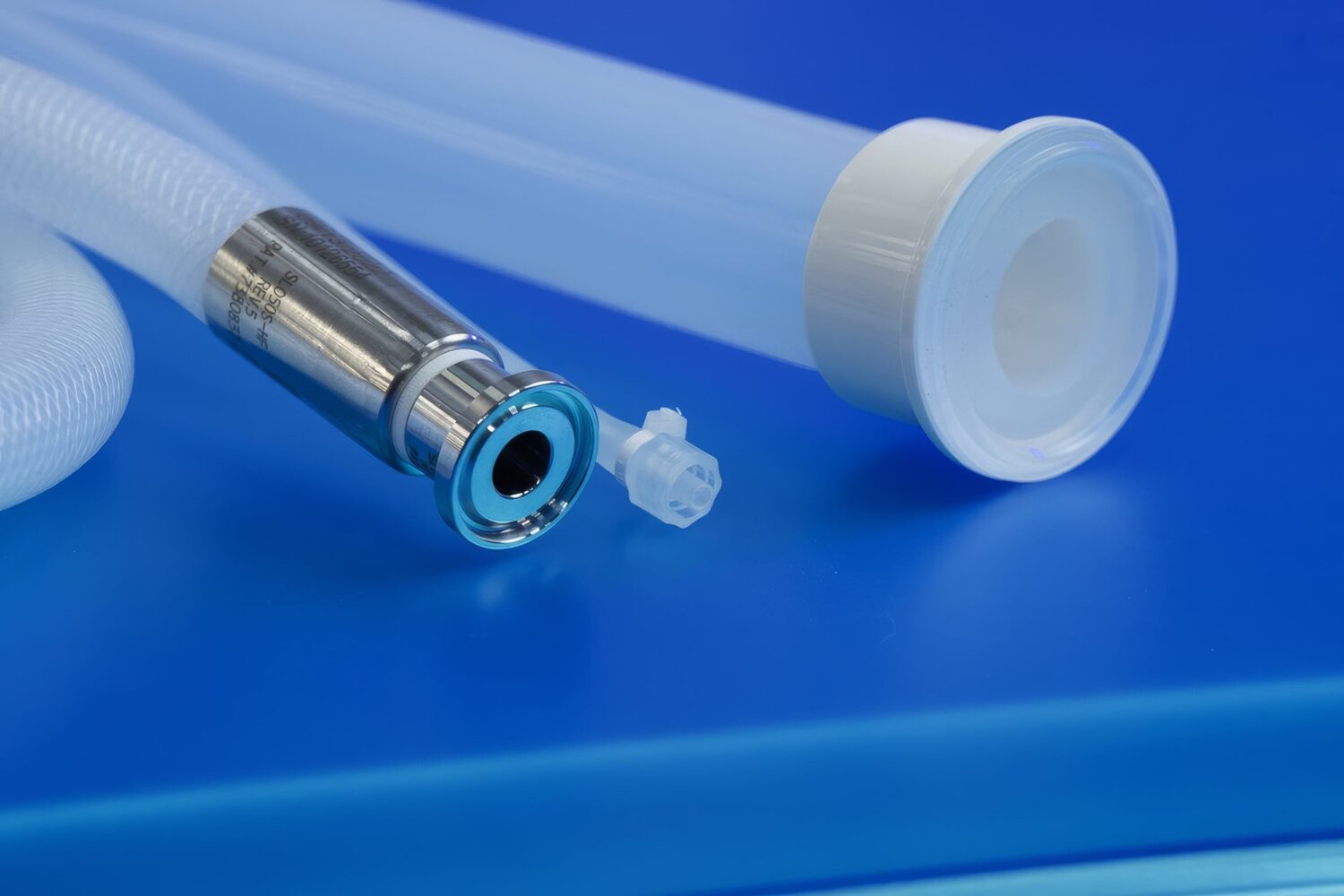
Fluid transfer plays a critical role in industries where purity, precision, and performance matter. From pharmaceutical production to food processing and medical device manufacturing, tubing must maintain flow integrity while meeting strict regulatory standards. Choosing the right material is not a minor detail. It can affect safety, efficiency, compliance, and long-term cost.
When comparing TPE and silicone tubing, manufacturers often evaluate flexibility, chemical compatibility, sterilization capability, and durability. Each material serves an important purpose. The correct choice depends on the application, environment, and performance requirements.
At Ace Sanitary, tubing solutions are engineered for demanding environments. With no minimum order quantities and custom manufacturing capabilities, the company supports industries that cannot afford compromise. Understanding the differences between thermoplastic elastomer tubing and silicone tubing is the first step toward selecting the right solution.
Material Properties Comparison
Material performance determines how tubing behaves under stress, heat, and chemical exposure. In this silicone vs TPE comparison, several core factors shape application suitability.
Flexibility and Handling
Flexibility affects routing, installation, and resistance to kinking. Silicone is widely known for its softness and elastic memory. It bends easily without collapsing and returns to its original shape after compression. This makes it ideal for applications requiring repeated movement or tight bend radii.
TPE materials offer flexibility as well, though typically with slightly greater firmness. In the debate over TPE vs silicone flexibility, silicone often leads in extreme elasticity, while TPE provides a balanced combination of flexibility and structural stability. TPE can feel less tacky and may offer easier handling in automated assembly systems.
In cleanroom and pharmaceutical settings, flexibility also supports closed-system designs. Ace Sanitary manufactures platinum-cured silicone tubing engineered for smooth flow paths and consistent wall thickness. This precision reduces the risk of flow restriction or weak points.
Chemical Resistance
Chemical compatibility is essential in pharmaceutical, biotech, and food production environments. Tubing must resist degradation from cleaning agents, solvents, and process fluids.
In discussions about TPE vs silicone chemical resistance, the answer often depends on the specific formulation. Silicone performs well against many water-based solutions and mild chemicals. It is widely trusted in pharmaceutical transfer lines because it maintains purity and stability.
TPE formulations vary. Some grades demonstrate excellent resistance to acids and alkaline solutions, while others are optimized for specific bioprocess fluids. TPE may show improved resistance to certain solvents compared to standard silicone. For aggressive cleaning regimens, material testing is essential.
Ace Sanitary evaluates extractables and compatibility data to ensure performance in regulated environments, particularly within the biopharmaceutical sector where fluid purity is critical.
Thermal Properties
Temperature resistance can determine whether tubing succeeds or fails in sterilization cycles.
Silicone tubing temperature resistance is one of its strongest advantages. It performs reliably across a broad temperature range, often from sub-zero conditions up to high heat levels exceeding typical steam sterilization thresholds. This makes silicone well suited for autoclaving and repeated high-temperature cleaning.
When reviewing TPE vs silicone thermal properties, TPE generally handles moderate temperature ranges effectively but may not match silicone in sustained high-heat environments. Certain TPE grades are designed for gamma sterilization and single-use systems, where extreme heat exposure is less frequent.
TPE material properties continue to improve through polymer engineering, allowing manufacturers to tailor performance for specific thermal requirements. Still, silicone remains the material of choice when long-term exposure to heat is unavoidable.
Applications in Key Industries
Material selection becomes clearer when viewed through real-world use cases.
Medical and Bioprocess Applications
TPE tubing for medical use has grown significantly in single-use systems. In bioprocessing, TPE often supports disposable assemblies that reduce cleaning validation requirements and cross-contamination risk. Ace Sanitary produces TPE tubing as part of engineered flow paths for regulated manufacturing environments.
TPE tubing applications in medical production frequently involve sterile connectors, peristaltic pump lines, and transfer assemblies. Its weldability allows secure connections in closed systems, making it valuable in disposable bioprocess circuits.
Silicone tubing for pharmaceutical use remains a standard in upstream and downstream processing. Its clarity supports visual flow inspection, and its long history of regulatory acceptance gives manufacturers confidence. Multi-use systems often rely on silicone for repeated sterilization cycles and long-term durability.
Ace Sanitary also manufactures custom single-use assemblies under ISO Class 7 cleanroom conditions. These systems are engineered to meet strict compliance standards while allowing rapid turnaround.
Food and Beverage Processing
Silicone tubing for food applications is widely used in dairy, beverage, and high-purity food production. Its non-toxic composition and resistance to taste or odor transfer protect product quality.
In food plants where sanitation cycles are frequent, silicone handles repeated steam exposure without losing flexibility. Ace Sanitary’s sanitary silicone hoses are engineered for hygienic fluid transfer, offering durability in high-temperature washdown environments.
TPE may also serve in food applications, particularly in disposable lines or moderate-temperature transfer tasks. However, when comparing TPE vs silicone safety in food systems, silicone’s long-standing regulatory acceptance often drives preference.
Data Center Cooling Uses
Silicone tubing uses in data center environments often center on heat resistance and flexibility. High-temperature air or coolant transfer systems frequently rely on silicone for consistent performance. Industry preference typically aligns with performance demands. Where repeated sterilization and extreme temperature resistance matter, silicone leads. Where disposability, weldability, and cost control are priorities, TPE may offer advantages.
Installation, Maintenance, and Longevity
Proper installation and maintenance directly influence service life.
Installation Considerations
TPE tubing installation often benefits from its weldable properties. It can integrate into automated systems with secure thermal bonding. Careful routing prevents unnecessary stress at connection points.
Silicone tubing installation requires attention to clamp selection and compression control. Over-tightening can damage softer walls. Using compatible fittings preserves integrity.
Both materials should be protected from sharp edges and excessive mechanical strain.
Maintenance Requirements
Silicone tubing maintenance frequently involves repeated cleaning cycles. It withstands steam sterilization and cleaning-in-place processes well. Regular inspection for surface cracking or discoloration ensures long-term safety.
TPE systems, particularly in single-use applications, reduce maintenance needs because assemblies are replaced rather than cleaned. This approach minimizes downtime and validation steps in regulated facilities.
Longevity and Durability
In evaluating TPE vs silicone longevity, context matters. Silicone offers long service life in high-temperature, multi-use environments. Its elasticity remains stable over time when properly maintained.
TPE tubing durability depends on formulation and operating conditions. In single-use settings, longevity focuses less on years of use and more on reliability during one production cycle.
Material degradation can occur from UV exposure, chemical attack, or mechanical fatigue. Selecting the correct formulation extends performance life and protects system safety.
Safety and Regulatory Compliance
Regulated industries demand documented material performance.
Medical and Pharmaceutical Standards
TPE tubing for medical use must meet strict biocompatibility standards. Extractables and leachables testing confirms that materials do not introduce contaminants.
Silicone tubing for pharmaceutical use often complies with established pharmacopeia standards. Its history in regulated environments supports widespread acceptance.
When reviewing TPE vs silicone safety, both materials can meet compliance requirements if properly manufactured and validated. The decision rests on the specific sterilization method, fluid compatibility, and system design.
Food Safety Considerations
Silicone tubing for food applications must meet FDA and related standards. Its inert nature reduces risk of flavor transfer.
TPE can also comply with food-grade standards depending on formulation. Manufacturers should verify documentation before installation.
Environmental and Health Considerations
Concerns about leachables and extractables drive testing protocols. Both materials undergo validation to confirm suitability.
TPE vs silicone recyclability is an evolving topic. Some TPE formulations offer easier recycling pathways due to thermoplastic processing characteristics. Silicone recycling infrastructure remains limited but research continues to advance.
Ace Sanitary emphasizes compliance, documentation, and traceability across all tubing solutions. With decades of experience rooted in sanitary hose manufacturing, the company prioritizes performance and regulatory alignment over cost-cutting shortcuts.
Selecting the Right Tubing for Your Application
The comparison of TPE vs silicone tubing highlights distinct strengths. Silicone offers unmatched temperature resistance, long-term durability, and proven performance in high-purity environments. TPE provides weldability, flexibility, and suitability for single-use systems where efficiency and sterility are central.
Application requirements should guide selection. Consider temperature range, sterilization method, chemical exposure, regulatory demands, and system design. Cost plays a role, but lifecycle performance and compliance often outweigh initial price differences.
Industries that require custom-engineered solutions benefit from working with manufacturers who understand complex fluid paths. Ace Sanitary stands apart for its ability to produce made-to-order assemblies without minimum order quantities. Founded in 1969 and built on strong client relationships, the company maintains long-term partnerships by delivering precision, speed, and responsive service.
As material science evolves, both TPE and silicone formulations will continue to improve. Advances in polymer engineering may expand temperature ranges, enhance chemical resistance, and improve sustainability. Manufacturers who stay informed and collaborate closely with trusted suppliers will be positioned to adapt.
Choosing between TPE and silicone tubing is a strategic decision that affects safety, efficiency, and long-term reliability. Connect with our Ace Sanitary team to explore custom tubing solutions engineered for regulated industries and discuss your specific application needs.