
Platinum vs Peroxide Cured Silicone Tubing
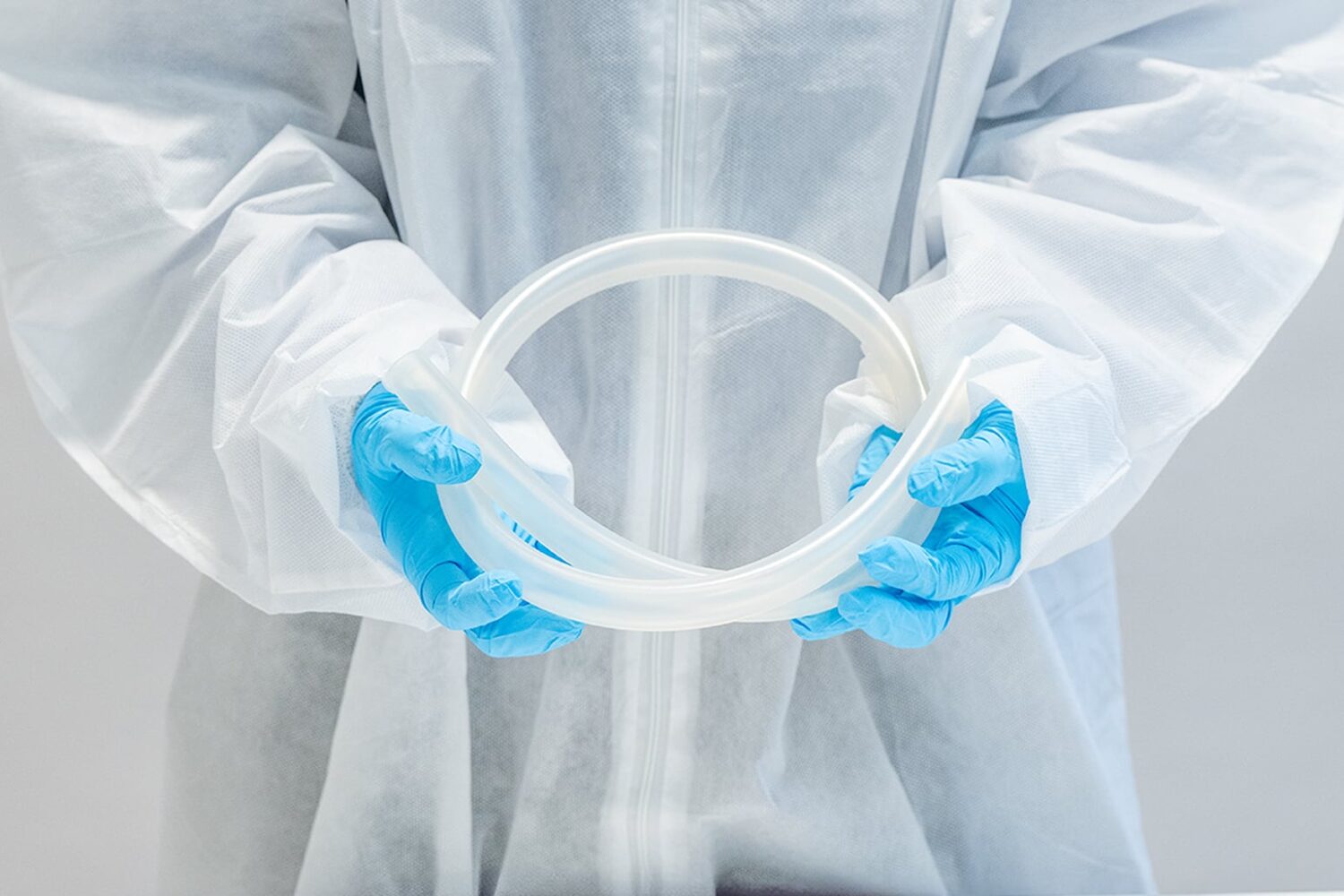
Silicone tubing plays a critical role in fluid transfer applications where cleanliness, durability, and reliability are essential. Across pharmaceutical manufacturing, food processing, biotechnology, and industrial systems, silicone tubing is often chosen for its flexibility, temperature resistance, and chemical stability. However, not all silicone tubing is manufactured the same way.
One of the most important distinctions lies in how the silicone is cured. Platinum-cured and peroxide-cured silicone tubing are produced through different curing processes, and those processes influence the tubing’s performance characteristics, purity, and suitability for specific applications.
Understanding Silicone Curing Processes
Silicone tubing begins as a liquid silicone rubber compound that must be cured to form a stable, flexible elastomer. Curing involves a chemical reaction that cross-links silicone polymer chains, transforming the material into its final rubber form. The two most common curing methods used in silicone manufacturing are platinum curing and peroxide curing.
Platinum Curing
Platinum curing, also known as addition curing, uses a platinum catalyst to initiate the cross-linking process. During curing, silicone molecules bond together without generating significant byproducts. Because the reaction produces minimal residual compounds, platinum-cured silicone is widely regarded as the cleanest curing method.
This process produces silicone tubing with excellent clarity, durability, and biocompatibility. Platinum curing is commonly used in pharmaceutical, biotechnology, and food applications where product purity and contamination control are critical. Many products manufactured using platinum curing can meet strict regulatory standards such as USP Class VI certification, which is often required for high-purity pharmaceutical environments.
Peroxide Curing
Peroxide curing uses organic peroxide compounds to initiate cross-linking in silicone. During this process, peroxide decomposes under heat and produces free radicals that drive the curing reaction. Unlike platinum curing, peroxide curing generates small amounts of byproducts that are typically removed during post-curing processes.
Peroxide curing is a well-established manufacturing method that produces durable silicone tubing for applications where extreme purity is not the primary concern.
Comparing Material Properties: Platinum vs Peroxide Cured Silicone
While both curing methods produce high-quality silicone tubing, the differences in their chemical reactions result in variations in material performance and application suitability.
Purity and Extractables
One of the most notable differences between the two curing methods is the level of extractables present in the finished tubing. Platinum curing produces minimal residual compounds because the reaction does not generate significant byproducts. This makes platinum-cured silicone ideal for high-purity environments where contamination must be minimized.
Peroxide-cured silicone tubing may contain trace byproducts from the curing process. While post-curing steps help remove these residues, peroxide-cured materials are generally used in applications where purity requirements are less stringent.
Flexibility and Durability
Both curing methods produce silicone tubing that offers excellent flexibility and mechanical durability. However, platinum-cured silicone typically exhibits greater tear strength and longer service life in applications involving repeated flexing or stress. This durability makes it particularly well suited for fluid transfer systems that require consistent performance over extended periods.
Temperature and Chemical Resistance
Silicone tubing is valued for its ability to withstand extreme temperatures and resist many chemicals. Platinum-cured silicone often demonstrates slightly superior stability at elevated temperatures and when exposed to sensitive materials. These characteristics contribute to its widespread use in pharmaceutical processing and other high-purity environments.
Applications of Silicone Tubing in Key Industries
Silicone tubing is used across numerous industries where reliable fluid transfer and material compatibility are essential. The curing method selected often depends on the operational environment and regulatory requirements.
Pharmaceutical and Biotechnology Applications
In pharmaceutical and biotech facilities, tubing must support sterile processing environments while maintaining product integrity. Platinum-cured silicone tubing is frequently used for these applications because of its purity, flexibility, and compatibility with sterilization processes.
Tubing manufactured with platinum curing can meet strict regulatory standards and is commonly used in fluid transfer, filling operations, and bioprocessing systems. High-purity materials help support contamination control and maintain consistency across production batches. For these reasons, many pharmaceutical facilities rely on platinum cured silicone tubing when designing fluid transfer systems.
Food and Beverage Processing
Food production environments require tubing materials that meet strict safety and hygiene standards. Silicone tubing is often used for transferring liquids, flavorings, and ingredients because it is flexible, non-reactive, and capable of handling temperature fluctuations.
Platinum-cured silicone tubing is frequently preferred in these environments due to its purity and compliance with food safety regulations. The smooth surface of silicone tubing also supports efficient cleaning and sanitation processes.
Industrial and Data Center Cooling Applications
Silicone tubing is also widely used in industrial environments where temperature stability and durability are essential. One emerging application is thermal management within data centers, where cooling systems require materials that can withstand continuous operation and fluctuating temperatures.
Peroxide-cured silicone tubing provides a reliable solution for these environments. Its mechanical strength and thermal performance make it well suited for heat exchange systems and cooling infrastructure. Ace Sanitary offers specialized peroxide cured silicone tubing for data centers designed to support the demanding requirements of modern data center cooling systems.
Choosing the Right Silicone Tubing for Your Application
Selecting the appropriate silicone tubing requires careful consideration of the operational environment and performance requirements. Factors like purity standards, temperature exposure, chemical compatibility, and regulatory compliance all influence the choice between platinum and peroxide curing methods.
Medical and Pharmaceutical Considerations
Applications involving pharmaceuticals, biotechnology, or other high-purity environments often require materials with minimal extractables and strong regulatory compliance. Platinum-cured silicone tubing is typically preferred for these environments because of its clean curing process and compatibility with sterilization procedures.
Food Production Requirements
Food and beverage operations must comply with strict safety standards while maintaining efficient processing conditions. Platinum-cured silicone tubing is often selected for these systems due to its purity and ability to maintain product integrity during transfer and processing.
Industrial System Performance
Industrial applications may prioritize durability, thermal stability, and cost efficiency over ultra-high purity. In these cases, peroxide-cured silicone tubing can offer a practical and reliable solution while providing the flexibility and temperature resistance associated with silicone materials.
The Future of Silicone Tubing Applications
As industries continue to evolve, silicone tubing technology is advancing alongside new manufacturing processes and regulatory requirements. Platinum and peroxide curing methods remain valuable tools for producing silicone materials with specific performance characteristics.
Platinum curing will likely continue to play a central role in pharmaceutical, biotechnology, and food-grade applications where purity and regulatory compliance are essential. Meanwhile, peroxide curing remains a reliable and efficient solution for industrial systems requiring durable and thermally stable materials.
Understanding the differences between these curing methods helps engineers and facility managers make informed decisions about the materials they integrate into their systems. Selecting the right silicone tubing supports safe operations, reliable performance, and long-term efficiency.
At Ace Sanitary, we specialize in manufacturing silicone tubing and fluid transfer solutions designed for high-purity and demanding environments. Our engineering-driven approach ensures that each product meets the practical needs of modern facilities while supporting safety, durability, and regulatory compliance.
If you’re evaluating silicone tubing for pharmaceutical processing, food production, or industrial applications, our team can help identify the right solution for your system.