Chat with us, powered by LiveChat

Fluid Transfer Assemblies

Fluid transfer assemblies are a foundational component in many industrial, pharmaceutical, and high-purity environments. They are designed to move liquids safely, efficiently, and consistently from one point to another while maintaining process integrity. Whether supporting pharmaceutical manufacturing, food and beverage production, or other regulated operations, fluid transfer assemblies play a critical role in protecting product quality and ensuring operational reliability.

At Ace Sanitary, fluid transfer assemblies are engineered with performance, compliance, and customization in mind. Built to order and designed around each application’s specific requirements, these assemblies support both single-use and multi-use systems where precision and dependability are essential.

What Is a Fluid Transfer Assembly?

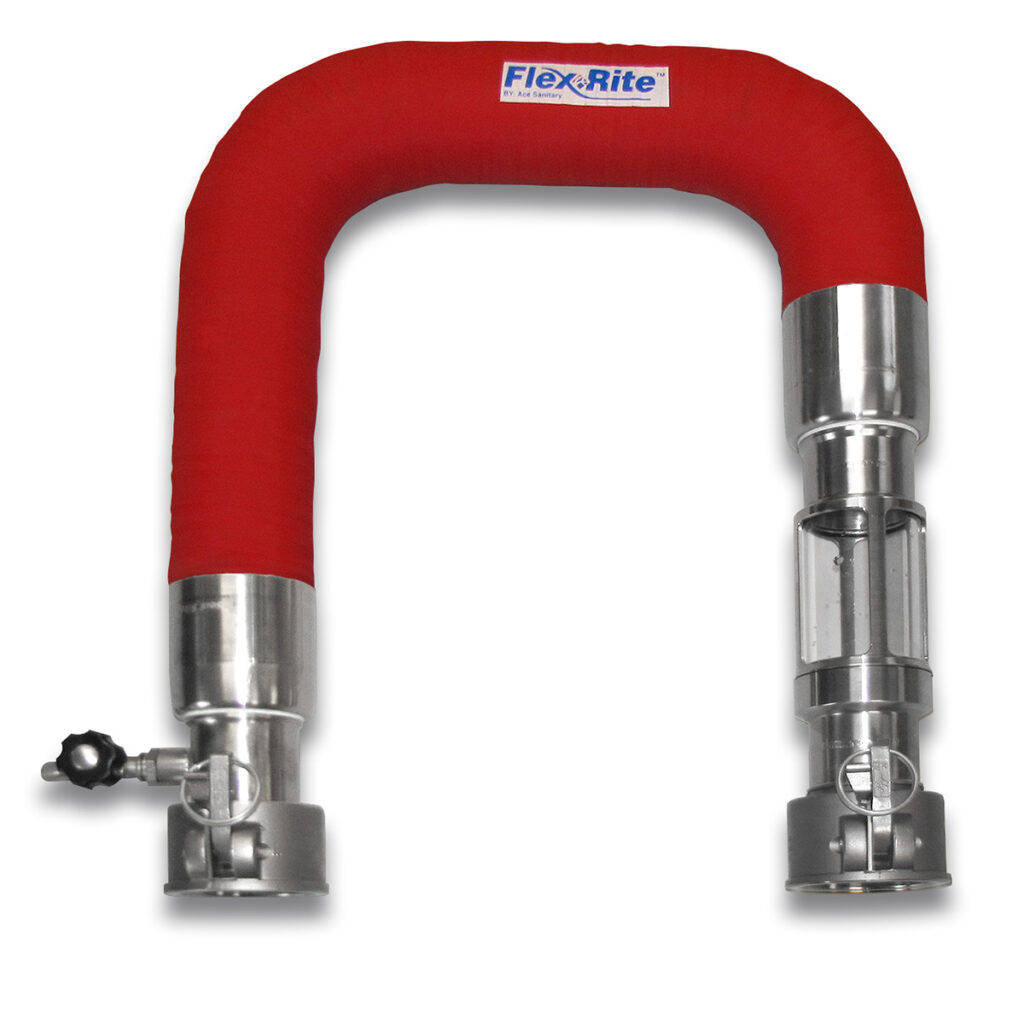
A fluid transfer assembly is a complete system of components designed to transport fluids through a controlled pathway. These assemblies typically include tubing or hose, fittings, clamps, connectors, and other hardware required to move liquids between equipment, vessels, or processes. Each component is selected to ensure compatibility with the fluid being transferred, the operating environment, and applicable regulatory standards.

Fluid transfer assemblies are used across a wide range of industries, from pharmaceutical and biotechnology applications to food processing and industrial manufacturing. In regulated environments, materials are carefully chosen to meet strict safety, cleanliness, and performance expectations. This is why many organizations rely on engineered fluid transfer assemblies rather than off-the-shelf solutions.

Why Fluid Transfer Assemblies Are Critical

In industrial settings, fluid transfer assemblies do more than simply move liquids from one point to another. They support process efficiency, protect product integrity, and help maintain safe operating conditions. Improperly designed or poorly matched assemblies can lead to leaks, contamination, unplanned downtime, or equipment damage.

Fluid transfer assemblies are especially critical in environments where precision and repeatability matter. For example:

  • In pharmaceutical manufacturing, assemblies must maintain sterility and prevent cross-contamination.
  • In food and beverage production, materials must be compatible with cleaning agents and frequent washdowns without degradation.
  • In industrial process systems, assemblies must withstand mechanical stress, temperature variation, and chemical exposure.

By using engineered fluid transfer solutions, organizations can reduce process variability, improve system reliability, and better control fluid flow throughout their operations.

How Fluid Transfer Assemblies Impact Efficiency and Safety

Well-designed fluid transfer assemblies contribute significantly to both operational efficiency and workplace safety.

Properly sized and configured assemblies help maintain consistent flow rates and reduce pressure loss. This improves process stability, minimizes energy consumption, and reduces wear on motors, pumps, and other connected equipment. Thoughtful system design also helps lower maintenance needs and extend component life.

From a safety standpoint, fluid transfer assemblies help contain fluids, reduce exposure risks, and support adherence to industry standards and internal safety protocols. Secure connections, durable materials, and properly selected components lower the risk of leaks or failures that could harm personnel or the surrounding environment.

In regulated industries, this reliability is essential for passing audits and maintaining quality assurance documentation.

Designing Efficient Fluid Transfer Systems

Designing an effective fluid transfer system requires careful consideration of both engineering principles and real-world operating conditions. No two applications are exactly alike, which is why custom-built assemblies often provide the best performance.

Key Factors in Fluid Transfer System Design

Several factors influence the efficiency and reliability of fluid transfer systems, including fluid type, temperature, pressure, chemical compatibility, and flow requirements. The physical layout of the system also matters, as excessive bends, long runs, or improper fittings can affect performance.

Material selection is another critical consideration. Tubing and hose materials must withstand the operating environment while maintaining flexibility and durability. In high-purity applications, materials must also support cleanliness and contamination control.

Ace Sanitary designs fluid transfer assemblies to address these factors holistically, ensuring that each component works together as part of a complete system.

Applying Fluid Dynamics and Mechanics

Fluid dynamics and fluid mechanics principles play an important role in fluid transfer system design. Understanding how fluids behave under different conditions helps engineers select appropriate tubing diameters, wall thicknesses, and connection types. These decisions affect flow velocity, pressure drop, and overall system efficiency.

By applying these principles during the design phase, fluid transfer assemblies can be optimized for consistent performance and reduced energy loss. This approach supports smoother operation and helps extend the life of both the assembly and connected equipment.

Industry-Specific Challenges and Solutions

Different industries present unique challenges when it comes to fluid transfer:

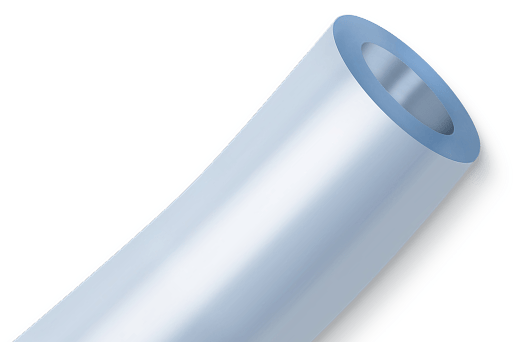
  • Pharmaceutical and Biotechnology: Require sterile, high-purity fluid transfer tubing that supports validation and stringent documentation.
  • Food and Beverage: Must balance high levels of sanitation with durability and ease of cleaning.
  • Data Center Cooling: Often demands assemblies capable of handling massive amounts of heat generated by servers, storage arrays, and networking equipment running 24/7.

Ace Sanitary addresses these challenges with engineered fluid transfer assemblies tailored to each application. With no minimum order quantities and a focus on made-to-order solutions, customers can specify materials, configurations, and performance requirements that align precisely with their processes.

The Role of Fluid Transfer Assemblies in Modern Industry

Fluid transfer assemblies continue to evolve as industries demand higher levels of performance, safety, and efficiency. Advances in materials science and manufacturing techniques are driving innovation in fluid handling equipment and system design.

Key Takeaways on Fluid Transfer Assemblies

Fluid transfer assemblies are essential to maintaining controlled, efficient fluid movement in industrial applications. Their design directly influences process reliability, product quality, and system safety. Selecting the right materials and components is critical for long-term success.

By investing in engineered fluid transfer solutions, organizations can reduce downtime, improve consistency, and better manage operational risks.

Supporting Industrial Efficiency and Safety

High-quality fluid transfer tubing and assemblies help maintain stable operations while supporting compliance with industry standards. Secure connections, compatible materials, and thoughtful system design all contribute to safer working environments and more predictable performance.

Ace Sanitary supports these goals with a wide range of sanitary hoses and engineered assemblies designed for regulated and industrial environments. For applications that require flexibility and contamination control, our single-use tubing assemblies provide a practical option that supports efficiency without sacrificing safety.

Future Directions in Fluid Transfer Technology

As industries continue to advance, fluid transfer assemblies will play an increasingly important role in process optimization. New materials, improved manufacturing controls, and evolving safety standards are shaping the future of fluid handling systems.

Ace Sanitary remains focused on delivering reliable, engineered fluid transfer assemblies that support both current applications and future innovation. By combining technical expertise with strong customer relationships and responsive service, Ace Sanitary helps organizations build fluid transfer systems they can depend on for years to come.

Fast lead Times, Expedited Quoting, No Minimum Order Quantity 

Promo Form

"*" indicates required fields

This field is for validation purposes and should be left unchanged.