Common Connection Types for Hygienic Processing
Different processing systems require different connection styles, making it important to select fittings based on cleaning requirements, operating pressures, and maintenance procedures.
Tri Clamp Fittings (Hygienic Unions)
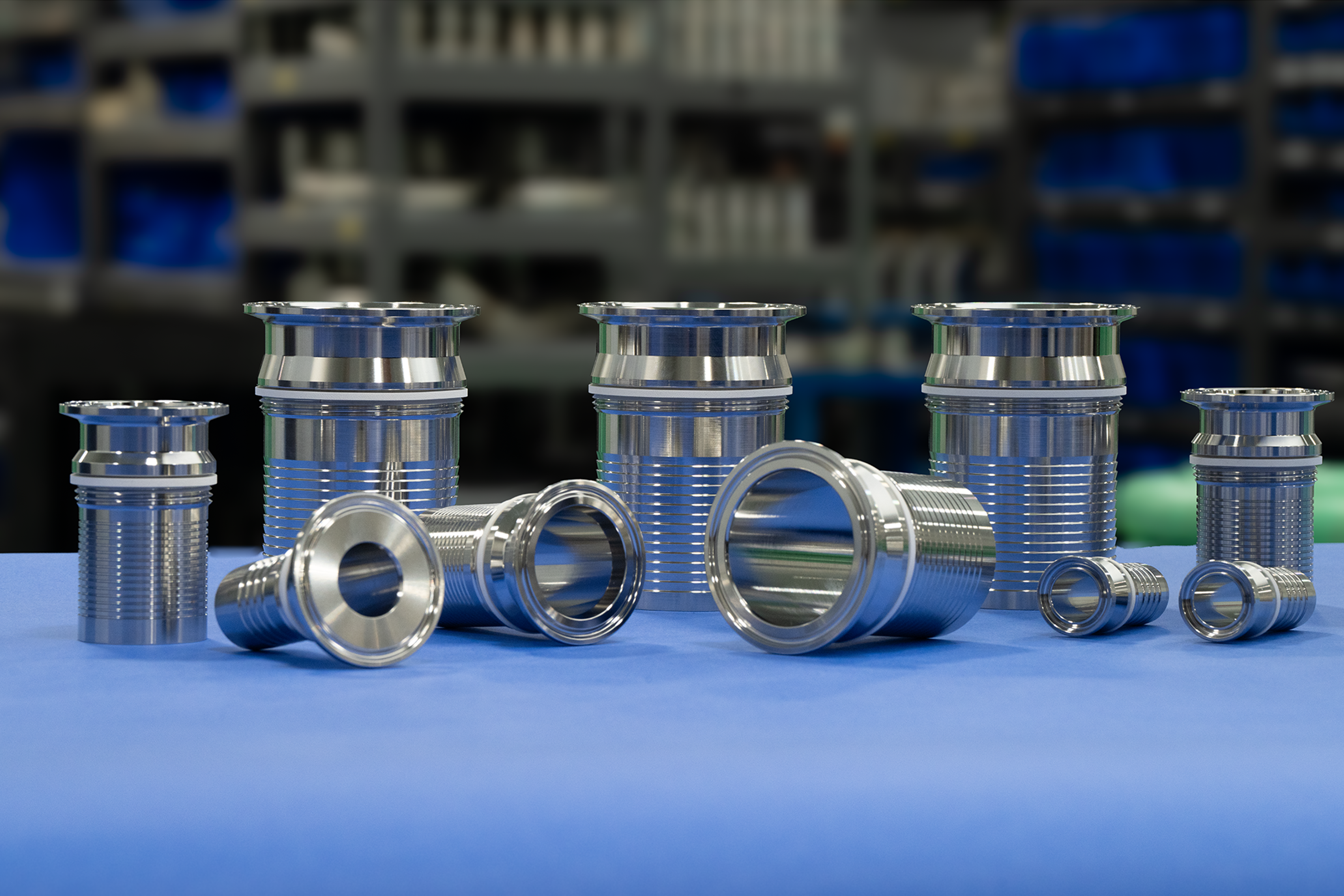
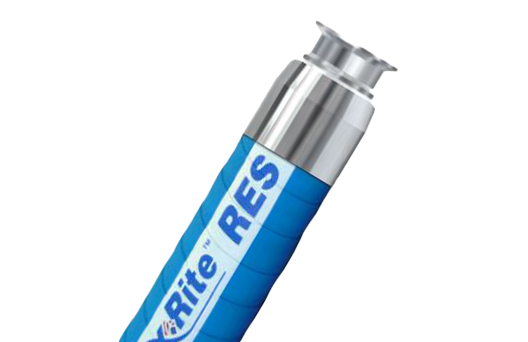
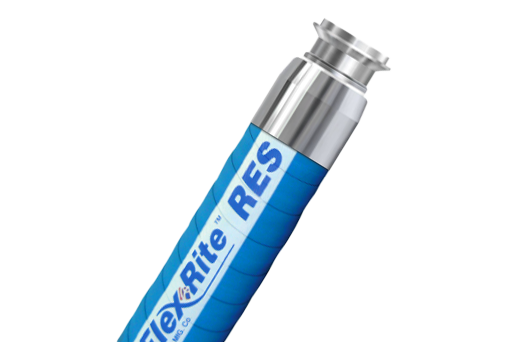
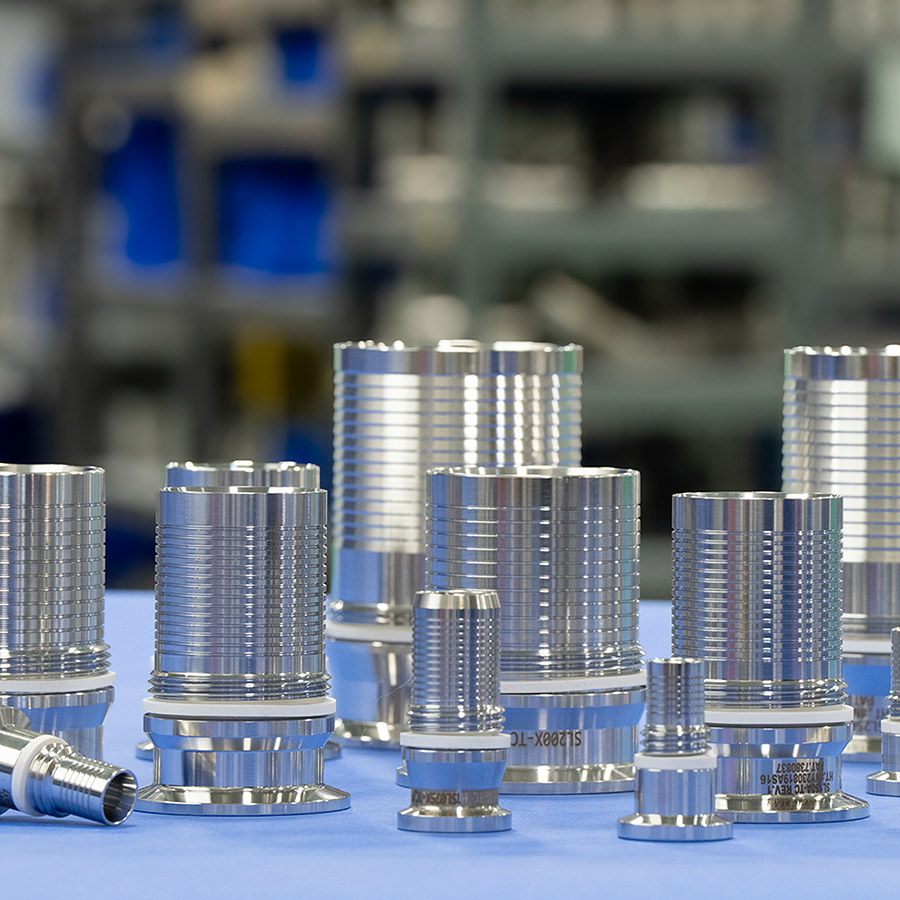
Tri clamp fittings are among the most widely used connection styles in hygienic processing because they can be assembled and disassembled quickly for inspection and cleaning. A typical tri clamp connection consists of two ferrules, a gasket, and a clamp that create a secure seal while supporting Clean-in-Place (CIP) procedures. For high-purity applications, stainless steel 316L is often preferred because of its corrosion resistance and compatibility with demanding process environments.
Bevel Seat Fittings
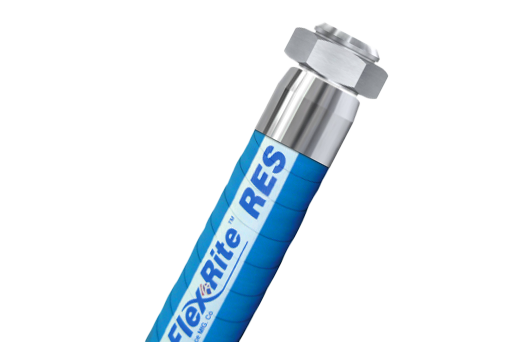
Bevel seat connections provide a durable metal-to-metal sealing geometry that performs well in applications where frequent disassembly is less common. Depending on the process, these sanitary fittings can offer an effective alternative to a tri clamp connection while maintaining hygienic performance. They are often selected for applications that require a robust seal and reliable performance under demanding operating conditions.
I-Line Fittings
I line fittings are designed with a compact profile that makes them well suited for higher-pressure systems where installation space may be limited. Commonly used in pharmaceutical, dairy, and beverage processing, I line connections provide reliable performance while supporting sanitary design principles and efficient system layouts.
Hose Barb, Threaded, and Adapter Connections
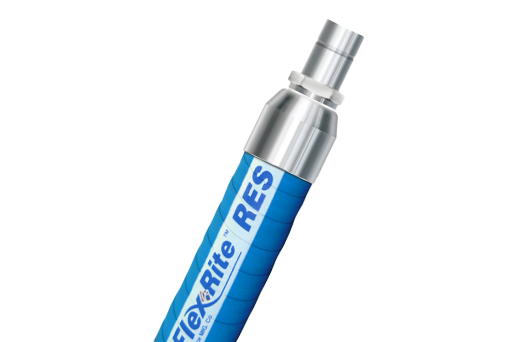
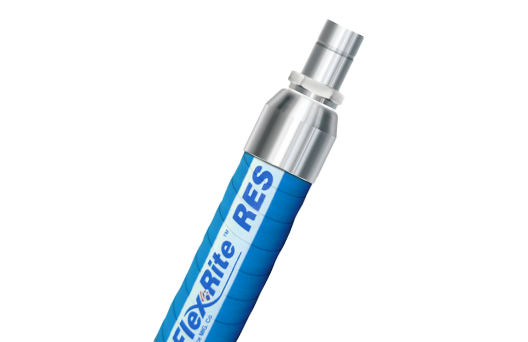
Hose barb, threaded, and adapter connections are available for integrating hoses into a variety of process systems. Hose barbs provide secure terminations for sanitary hoses, while threaded fittings are often used on utility or non-product lines. Adapter fittings simplify transitions between different connection styles without compromising system performance.